


Metacell MCT
in Korea, Incheon, Songdo Korea
MetaCell represents a more advanced step in autologous regenerative therapy, utilizing autologous exosome–mediated biological signaling to help support a coordinated regenerative response.

What is
MCT MetaCell?
in Korea, Incheon, Songdo Korea
MCT MetaCell is an autologous regenerative treatment that utilizes selected cellular and bioactive components derived from the patient’s own blood. Rather than introducing synthetic or foreign materials, MetaCell focuses on supporting tissue recovery and skin rejuvenation by working with the body’s natural regenerative signaling environment.
This treatment is designed to improve skin quality, resilience, and overall tissue vitality through a biologically guided approach.
How Does MCT MetaCell Work?
in Korea, Incheon, Songdo Korea
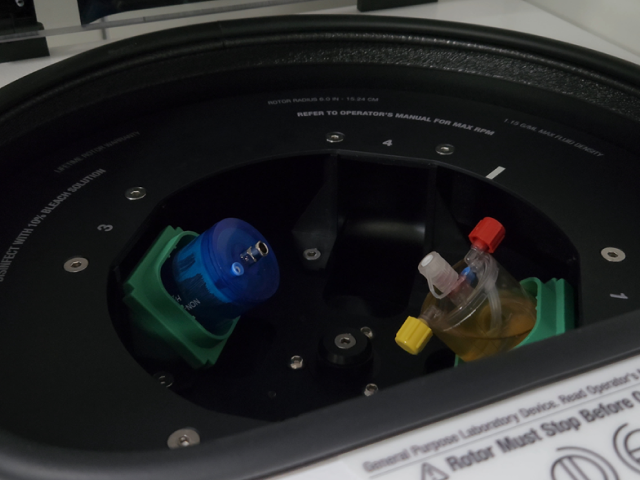
MCT MetaCell begins with a controlled blood collection process performed under sterile medical conditions. The collected blood is processed using specialized separation techniques to isolate specific cell-rich and bioactive fractions.
By using autologous biological resources, MCT MetaCell aims to create a supportive environment for tissue regeneration rather than immediate artificial change.
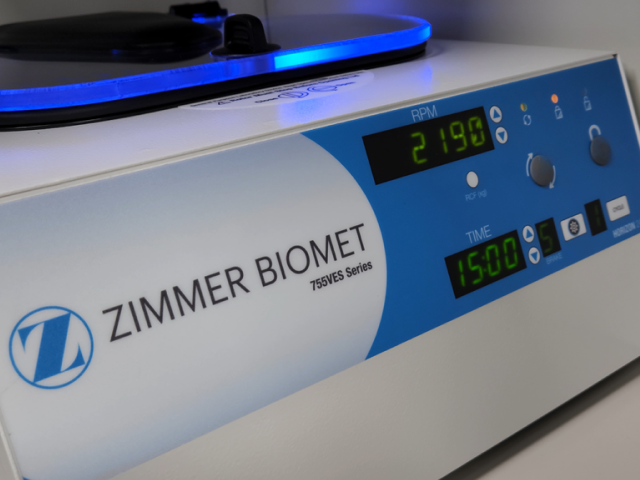
Blood-derived components are selectively prepared based on density and cellular content
Prepared fractions are applied through targeted injection or supportive systemic methods
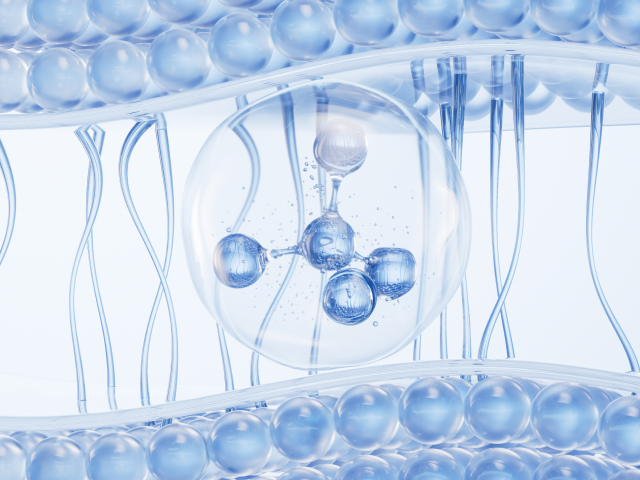
These components support cellular communication and tissue repair processes

Regenerative responses develop gradually as part of the body’s natural recovery mechanisms
Benefits of MCT MetaCell
in Korea, Incheon, Songdo Korea
MCT MetaCell is suitable for patients seeking a regenerative, biology-based approach rather than volume-focused aesthetic treatments.
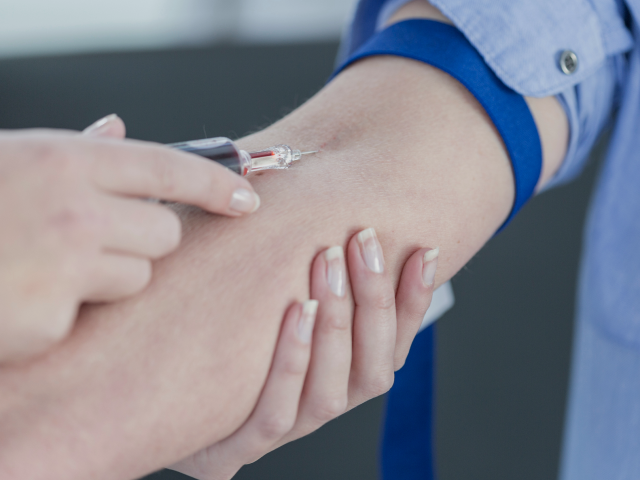
Uses autologous, blood-derived cellular components
Supports natural tissue repair and skin regeneration

Helps improve skin quality, texture, and resilience
Minimizes the risk of immune reaction by avoiding foreign substances
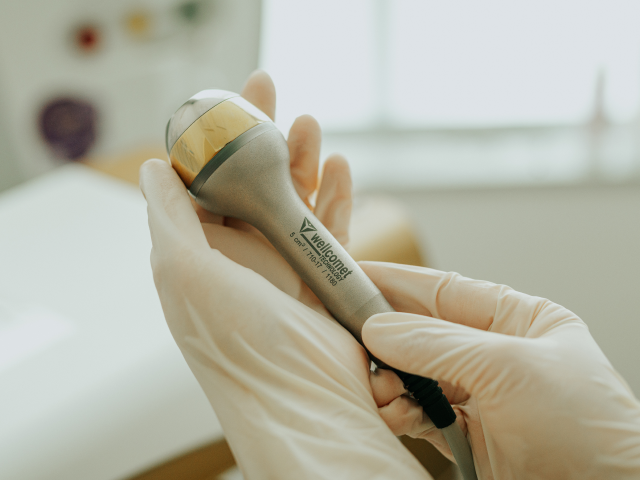
Can be combined with energy-based treatments or skin procedures

Designed for gradual, natural-looking improvement
Dermal Injection
and IV Infusion
MCT MetaCell can be administered through both injection-based application and intravenous (IV) infusion, depending on individual treatment goals and clinical indications.
For injection-based treatment, two different techniques may be utilized. Microneedle-assisted dermal injection allows MetaCell components to be evenly delivered into the dermal layer, supporting overall skin quality, texture, and regeneration. In addition, subdermal cannula techniques can be applied to specific areas such as the under-eye region or nasolabial folds, where targeted improvement is desired. This approach enables precise placement beneath the skin surface while maintaining a natural appearance.
When administered via intravenous (IV) infusion, MCT MetaCell is circulated systemically through the bloodstream. This method is commonly associated with the homing effect, a biological phenomenon in which circulating regenerative signals are thought to preferentially migrate toward areas of tissue stress or repair demand. Through systemic circulation, IV infusion is intended to support a broader regenerative environment and complement localized treatments in a physiologic and controlled manner.
Please check YouTube
for more details.
in Korea, Incheon, Songdo Korea
Why Choose LABE
for MCT MetaCell?
in Korea, Incheon, Songdo Korea
At LABE Plastic Surgery, MCT MetaCell treatments are planned and performed under the supervision of a board-certified plastic surgeon with experience in regenerative and combination therapies. Prior to the MetaCell procedure, blood-derived components used as the foundation for treatment—such as PRP and PPP—are carefully prepared using a Zimmer Biomet separation kit, allowing clear and consistent component separation under controlled conditions.
Based on this preparation, MCT MetaCell is then applied according to the individual patient’s skin condition, overall health status, and treatment goals. LABE emphasizes precise preparation, appropriate application methods, and patient safety, integrating MCT MetaCell into a comprehensive, anatomy- and biology-based rejuvenation strategy rather than a standardized protocol.
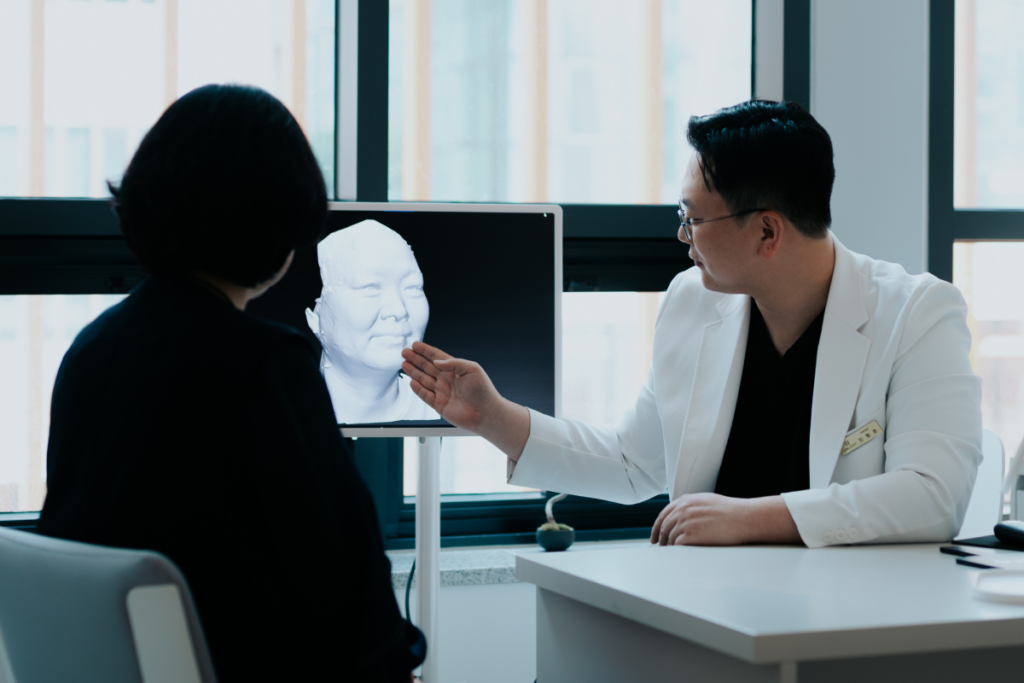
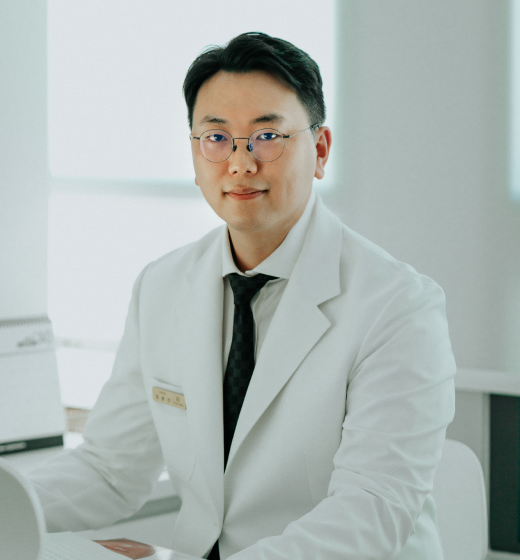
Board-Certified Plastic Surgeon
Dr. HYUNG JUN MIN
ABOVE & BEYOND in ANTI-AGING & WELLNESS
“Sincerity, passion, and a dedication to true beauty—
Creating exceptional experiences for every patient.”
Metacell MCT FAQ
in Korea, Incheon, Songdo Korea
What is Metacell MCT treatment?
Metacell MCT is an autologous regenerative treatment that uses components derived from the patient’s own blood to support skin regeneration.
How is Metacell MCT prepared?
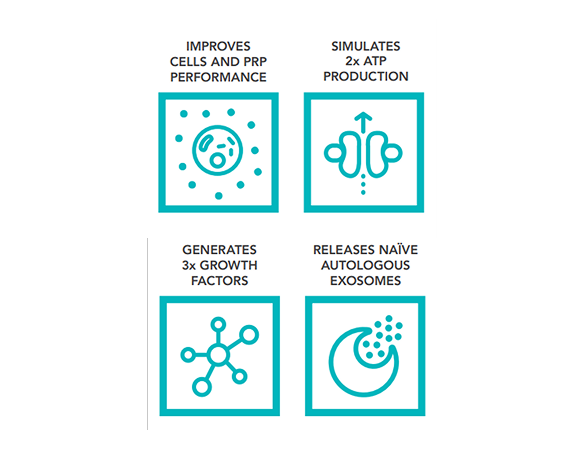
A small amount of the patient’s blood is collected and processed to separate platelet-poor plasma (PPP) and the buffy coat layer. Through the Metacell processing system, regenerative components such as exosomes and growth factors are further enriched.
What skin concerns can Metacell MCT help improve?
Metacell MCT may help improve skin texture, elasticity, and overall skin quality by supporting regenerative processes in the skin.
How is Metacell MCT delivered to the skin?
The treatment may be delivered using injection techniques, cannula, or jet-delivery devices depending on the treatment plan.
Can Metacell MCT be combined with other treatments?
Metacell MCT may be combined with laser treatments or other regenerative procedures to support skin improvement.